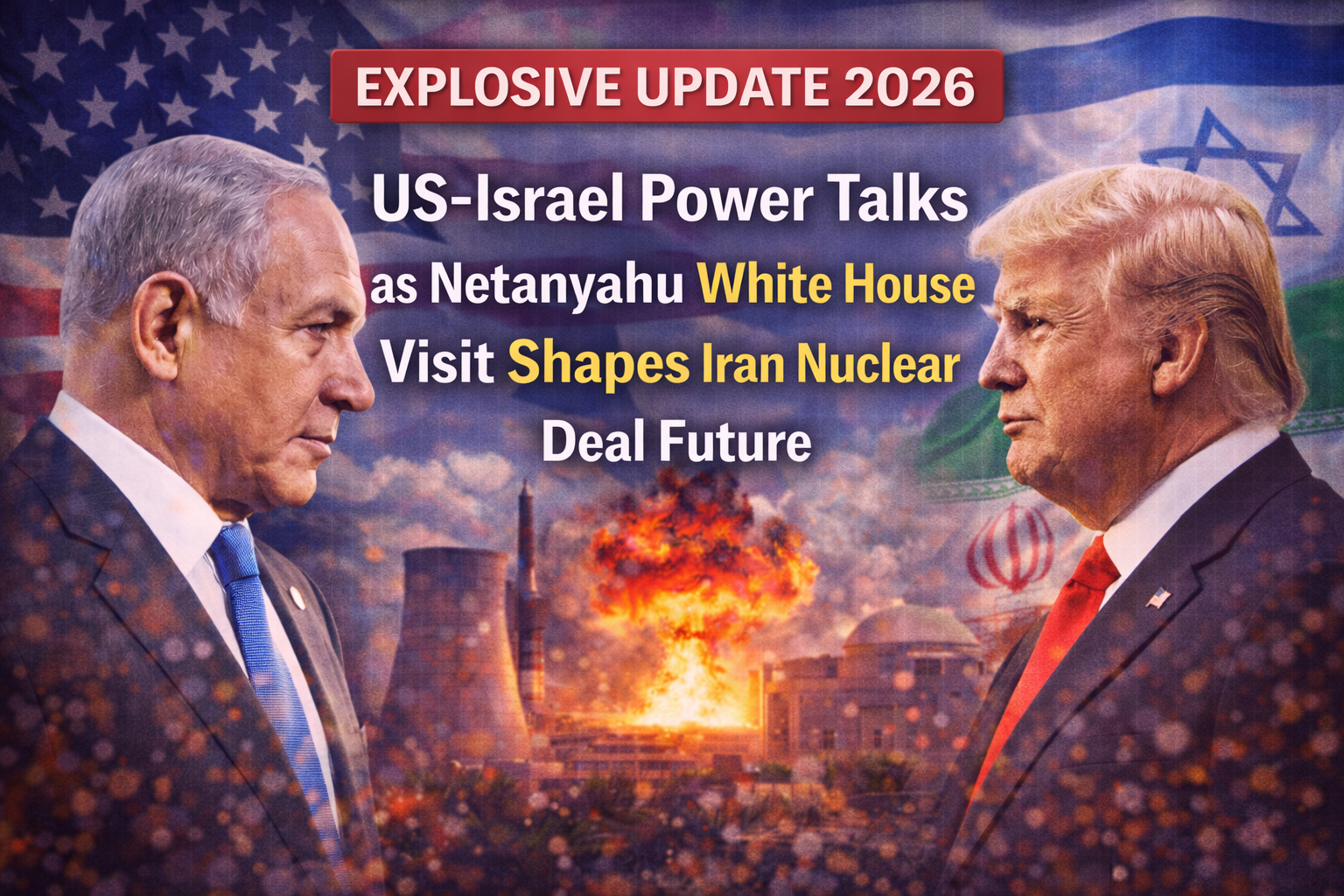
The February 2026 White House visit by Israeli Prime Minister Benjamin Netanyahu has become one of the most crucial geopolitical events of the year. The high stakes meeting with US President Donald Trump is not just another diplomatic engagement but a defining moment that could reshape global nuclear policy security alliances and Middle East stability. The visit comes at a time when negotiations between the United States and Iran are accelerating raising worldwide concerns about nuclear weapons development and regional tensions.
This article explores why the visit matters what decisions could emerge and how the talks may influence global security energy markets and diplomatic relations. Readers will understand the timeline major risks negotiation demands and global consequences tied to the US Israel partnership and Iran nuclear deal developments in 2026.
Key Point Details
Meeting Focus: Iran nuclear deal regional security and missile threats
Main Leaders: Donald Trump and Benjamin Netanyahu
Major Concern: Uranium enrichment ballistic missile programs
Global Impact: Middle East stability energy markets international diplomacy
Urgency Talks: moved earlier due to fast US Iran negotiations
Why Netanyahu White House Visit 2026 Matters Globally
The 2026 visit carries extraordinary significance because it comes during intensified US Iran negotiations over nuclear restrictions. Israel considers Iran a direct security threat particularly due to uranium enrichment activities missile development and regional proxy influence. Netanyahu aims to ensure the United States adopts stricter conditions preventing Iran from advancing nuclear capabilities.
Beyond regional implications the talks could affect global geopolitics including energy supply chains security alliances and military positioning. If negotiations fail there is a heightened risk of military confrontation which could disrupt global oil markets and destabilize international trade routes.
Key Demands Israel Presented in the Talks
Israel entered the negotiations with clear red lines focused on eliminating Iran nuclear risks. Netanyahu reportedly insisted that any agreement must include a complete halt to uranium enrichment removal of existing enriched uranium stockpiles and dismantling of ballistic missile programs.
Additionally Israel demanded that Iran stop funding regional militant groups which it believes destabilize Middle East security. These conditions represent Israel strongest stance yet and highlight growing tensions between diplomatic compromise and security concerns.
How US Strategy Is Shaping the Nuclear Negotiations
The United States has adopted a dual strategy combining diplomacy with military pressure to push Iran toward an agreement. Officials have expressed willingness to negotiate but also warned that failure could lead to severe consequences including increased military presence in the region.
Washington aims to balance global security stability and political interests. A successful deal could strengthen US leadership internationally while reducing the risk of war but critics warn that weak enforcement could allow Iran to continue developing nuclear capabilities secretly.
Timeline of Events Leading to the February 2026 Meeting
The visit was originally scheduled for later in February but was moved forward due to rapid developments in US Iran negotiations. Diplomatic talks in recent months involved international mediators including Turkey Egypt and Gulf nations seeking to prevent conflict.
Recent intelligence reports and military movements in the region further increased urgency leading to high level consultations between US and Israeli officials. This timeline shows how quickly nuclear diplomacy can escalate into a global security priority.
Global Consequences if Talks Fail
Failure to reach an agreement could trigger major international consequences including possible military escalation sanctions expansion and economic disruptions. Middle East conflicts historically influence global oil prices and supply chains meaning the impact would extend far beyond regional borders.
Additionally failed diplomacy could weaken international nuclear nonproliferation efforts encouraging other nations to pursue similar weapons programs. This would significantly increase global security risks and long term geopolitical instability.
How This Meeting Could Reshape Middle East Diplomacy
The outcome of the meeting could redefine alliances and diplomatic strategies across the Middle East. Countries closely monitoring the talks include Saudi Arabia Turkey and European partners who seek regional stability and reduced nuclear risks.
A successful agreement may open doors for broader peace initiatives and economic cooperation while failure could lead to strengthened military alliances and increased defense spending across the region.
Conclusion
The February 2026 White House meeting between Netanyahu and US leadership represents a pivotal moment in global nuclear diplomacy. The negotiations reflect growing urgency to address Iran nuclear ambitions while balancing geopolitical interests and regional security concerns.
As talks continue the decisions made during this visit could influence international relations military strategies and economic stability for years to come making it one of the most significant diplomatic events of 2026.
FAQs
What was the main purpose of Netanyahu visit to the White House in 2026?
The visit focused on shaping US strategy regarding Iran nuclear negotiations and ensuring strict conditions to prevent nuclear weapons development.
Why is the Iran nuclear issue important globally?
It affects international security nuclear nonproliferation policies energy markets and geopolitical stability worldwide.
What demands did Israel make during the talks?
Israel demanded zero uranium enrichment removal of nuclear stockpiles and dismantling of ballistic missile programs.
Could the talks lead to military conflict?
Yes if negotiations fail tensions could escalate potentially leading to military action in the region.
How might the meeting impact global economy?
The outcome could influence oil prices trade routes and international market stability depending on regional security developments.